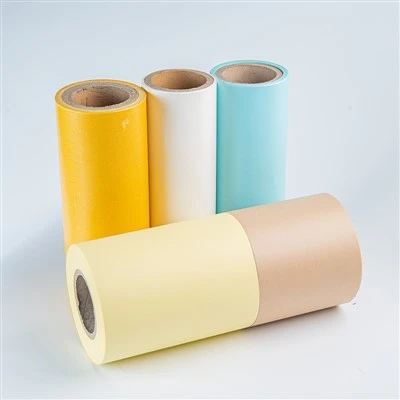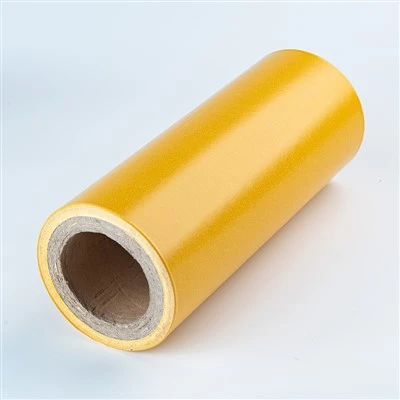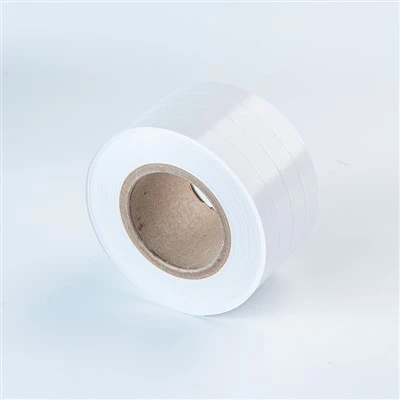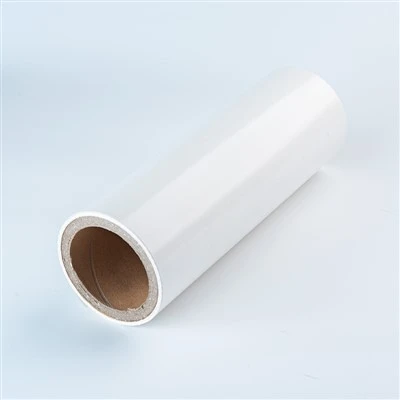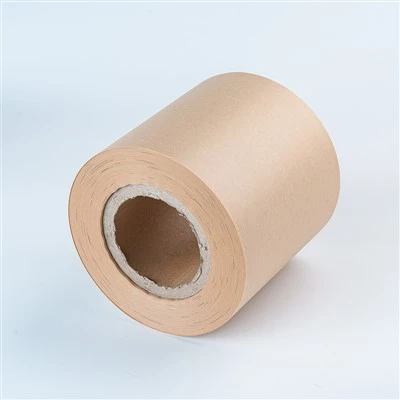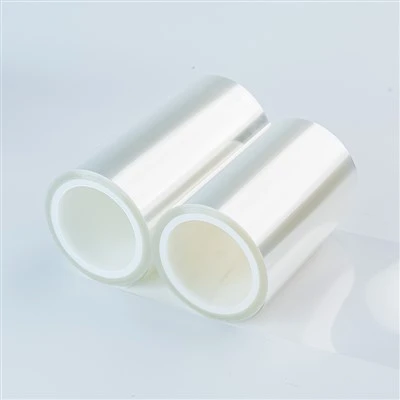

You might have come across a smooth, non-stick material while peeling a product label, opening a sealed package, or even working on a diamond painting- that's likely Glassine Overpressure Paper. It's easy to overlook, but this material plays a quiet yet important part in both daily routines and industrial work. Let's break down what it is, how it works, and why it matters.
Basic Definition & Core Traits
Glassine Overpressure Paper is a type of release material designed to pair with adhesive products. At its core, it shares key traits with quality release papers: a smooth surface and strong non-stick properties. This means when it's used with adhesives (like those on tapes or labels), it peels off easily- no sticky residue left behind, and no need for forceful pulling.
How It Differs from Regular Release Materials
While regular release materials meet basic non-stick needs, Glassine Overpressure Paper has unique advantages that make it suitable for more demanding scenarios- advantages shaped by careful manufacturing:
Finer Material Craftsmanship: It uses more refined base paper and specialized coatings, unlike some regular release materials that rely on standard-grade raw materials. This refinement enhances its smoothness and ensures even non-stick coverage.
Better Durability: It holds up well in repeated peeling (such as for repositionable labels) or industrial environments (like high-temperature production lines), whereas regular release materials may tear or lose non-stick ability easily.
Wider Adhesive Compatibility: It works with various adhesive types- including high-viscosity ones used in industrial bonding- while regular release materials often only fit low-to-medium viscosity adhesives.
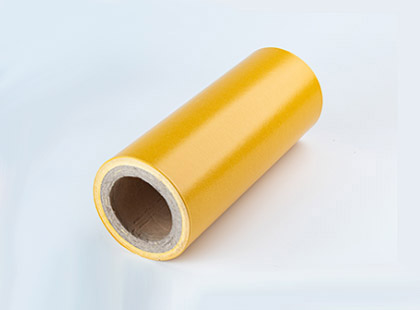
Where It's Used: Cross-Industry Applications
Glassine Overpressure Paper isn't limited to one area- it's widely used across sectors that rely on reliable release materials. Here are some common scenarios:
Packaging: It lines product packages or backs labels, keeping adhesives fresh and intact until you're ready to use or open them.
New Energy & Electronics: In these precise fields, it protects delicate components (like parts for new energy devices or small electronic pieces) during manufacturing and shipping, thanks to its non-stick reliability.
Diamond Painting: For this popular hobby, it holds tiny diamond beads in place, making it simple to apply them to the canvas without mess.
Composites & Automotive: Behind the scenes, it aids in making composite materials or assembling car parts- where clean, easy separation of materials is a must.
Why Quality Versions Matter: Key Benefits
Opting for well-made Glassine Overpressure Paper brings clear advantages, all rooted in careful production:
Steady Performance: Rigorous quality checks (led by teams with years of experience) cover every stage of production. This means the material won't fail unexpectedly- no stuck adhesives or damaged products.
Customizable Fit: It can be tailored to specific needs, whether you require a certain size for packaging or a specialized type for an industrial process.
Global Adaptability: It works for users worldwide, fitting different regional needs and industry standards without losing performance.
A Note on Reliable Sourcing
For those seeking consistent, high-quality Glassine Overpressure Paper, manufacturers with deep experience in release materials (like Sanlin New Materials) ensure the material meets diverse needs- from hobby use to industrial applications. Their focus on quality and adaptability helps make this useful material accessible across fields.
Conclusion
Glassine Overpressure Paper may not grab attention, but it's a backbone of many daily and industrial tasks- from opening a package to creating high-tech products. Its smooth, non-stick traits, paired with careful production standards, make it versatile across sectors. Whether you're a business needing a dependable material or just curious about the "invisible" items that simplify life, understanding Glassine Overpressure Paper reveals the value of these underrated but essential tools.