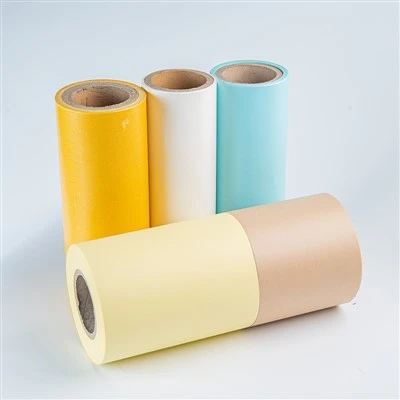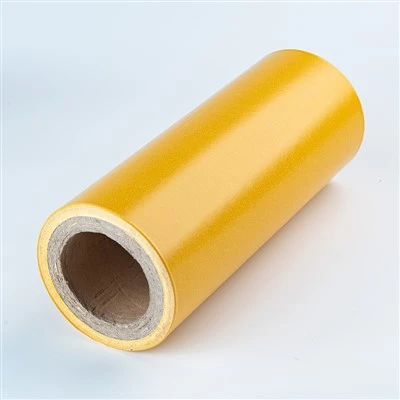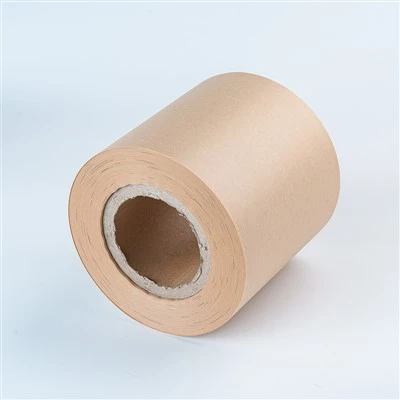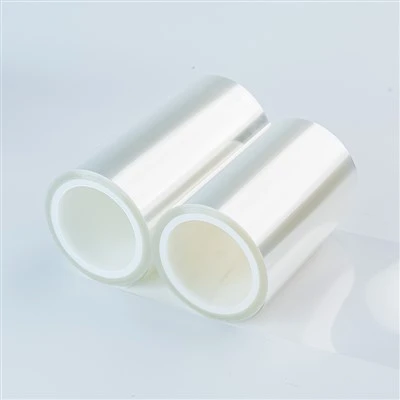

Many production managers face two key issues with PE release Paper: struggling to choose parameters like "base material" and "release force" (generic products often fail, e.g., non-fold-resistant packaging options cracking in transit), and dealing with "adhesive residue post-lamination" or "production line jams" that raise rework costs. These are solvable by focusing on "selection adaptation" and "root cause fixing." Below are practical solutions to avoid production delays.
Choose the Right PE Release Paper: 4 Core Parameters to Prioritize
Selecting PE release Paper isn't just about price or generic models. Match parameters to your industry needs to prevent issues.
1. Base Material Type: Industry Adaptation Baseline
Composed of "PE coating + base paper," base paper dictates use cases:
Packaging/Adhesive Tape: Choose wood pulp base paper + PE coating (fold/tear-resistant, no delamination in rolled tape production or packaging lamination).
Electronics/Medical: Opt for high-density pure wood pulp base paper (surface flatness error ≤ 0.1mm, no bubbles in component/dressing lamination, meets basic cleanliness standards).
2. Release Force: Match to Peeling Needs (Not Just "Lower = Better")
Release force = strength to peel adhesive materials; wrong values cause problems:
Low (5-10g/in): For low-adhesion products (advertising labels, diamond paintings) – easily peelable by hand.
Medium (20-50g/in): For medium-adhesion scenarios (regular tapes, composite lamination) – no production detachment, smooth post-process peeling.
High (80-150g/in): For high-adhesion products (automotive foam tapes, heavy packaging) – prevents premature peeling in transit/processing.
3. Temperature Resistance: Fit Production & Transit Environments
Needs vary by industry:
General (Packaging/Advertising): -20℃~80℃ suffices for normal production/transit.
Special (Electronics/New Energy): ≥120℃ resistance required (avoids deformation/coating peeling in component soldering or battery module high-temperature bonding).
4. Surface Cleanliness: Avoid "Invisible Losses"
Dust/impurities impact quality:
Electronics/Medical: ≥99.9% cleanliness (≤10 dust particles/m²) – otherwise, dust sticks to chips/dressings, causing scrapping.
General Industry: ≥95% cleanliness reduces adhesive contamination and rework.
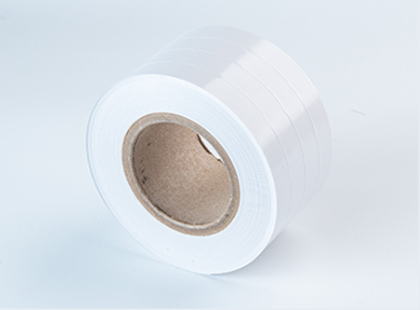
Common Application Issues: Quick Solutions
Even with the right material, operational oversights cause problems. Here are root causes and fixes:
Issue 1: Adhesive Residue Post-Lamination – How to Prevent
Clients often see residue on finished products. Core causes:
Uneven Coating: PE coating thickness error >±0.03mm (thinner areas peel off with adhesive).
Insufficient Curing: Inadequate drying leads to PE-adhesive adhesion.
Solution: Choose products with full-process inspection (base material → coating → finished goods). E.g., ≥5% batch sampling controls coating tolerance to ±0.02mm, plus 72-hour constant-temperature curing – residue is eliminated.
Issue 2: High-Speed Line Jams – How to Adapt
In tape/label production (line speed ≥300m/min), jams/deviation happen due to:
Excessive Thickness Tolerance: >±0.02mm fluctuation causes unstable tension.
Rough Edges: >0.1mm cutting burrs catch line guide rollers.
Solution: Prioritize high-precision cutting and strict thickness control. E.g., laser cutting keeps burrs ≤0.05mm; thickness tolerance ≤±0.01mm – smooth feeding rate rises to >99.5%.
About Sanlin New Materials: PE Release Paper Tailored to You
As a 15-year high-tech enterprise in release materials, Sanlin focuses on solving production pain points:
15,000-ton annual capacity ensures stable supply (no urgent order stockouts).
QC team with 7-9 years of experience conducts full-process inspection (base paper to delivery) to guarantee batch quality.
Customization for industries: sterile-grade for medical clients, temperature-optimized for new energy – true "on-demand adaptation."
Conclusion
The key to selecting PE release Paper is "avoid generic models, choose tailored ones." First, lock 4 core parameters (base material, release force, etc.) by industry; then prevent "residue" or "jams." If you face selection/use issues, contact us for custom solutions and sample testing – make production smoother and more efficient.