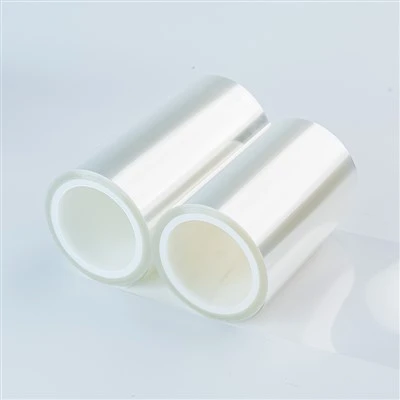

Anti-Static PET Release Film for Precision Converting
Article Content
Why Static Matters
Film webs can generate and retain electrostatic charge through contact and separation. Static can attract airborne particles, complicate handling and create nuisance discharge in precision converting.
Typical Applications
Anti-static PET may be relevant to electronics, foam and adhesive converting, clean production, optical materials and other processes where dust attraction or web handling is sensitive.
Anti-Static Is Not the Same as Release
The anti-static function and release function address different requirements. A project must define which side needs silicone release, which side needs anti-static performance, and whether both functions are required on the same surface.
Key Questions Before Selection
Confirm PET thickness and color, single- or double-sided release, target release force and test method, anti-static side, surface-resistance requirement if specified, corona treatment needs, process temperature, cleanliness level and end-use adhesive.
Validation
Measure the requested electrical property using the customer's agreed method and verify release performance separately. Then run the film through the actual unwinding, laminating, slitting or die-cutting process.
FAQ
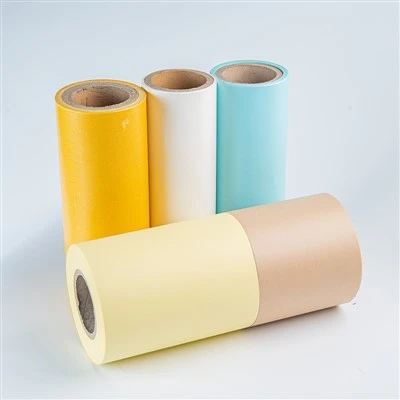
Q: Does blue PET automatically mean anti-static?
A: No. Color does not prove anti-static performance. The anti-static treatment and required electrical specification must be confirmed.
Q: Can anti-static and silicone be on the same side?
A: It depends on the designed coating system and application. The required functional side must be clarified before production.
Q: Is anti-static PET dust-free?
A: No. Anti-static treatment can reduce electrostatic dust attraction, but cleanliness also depends on production, packaging, handling and environment.
Technical Note
Release-liner performance is application-specific. Values and material choices should be confirmed using an agreed test method and, where possible, the customer's actual adhesive and converting conditions.