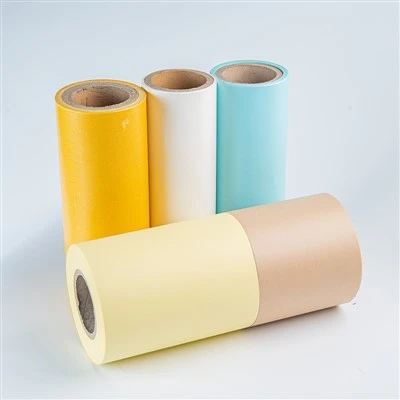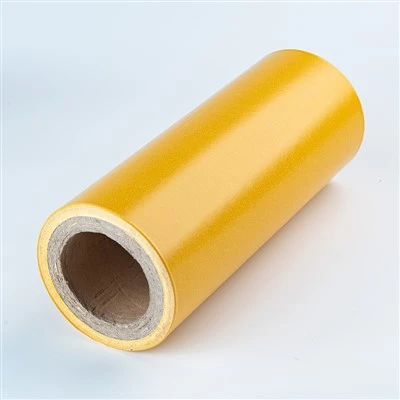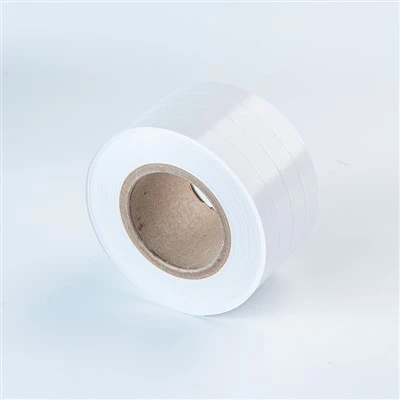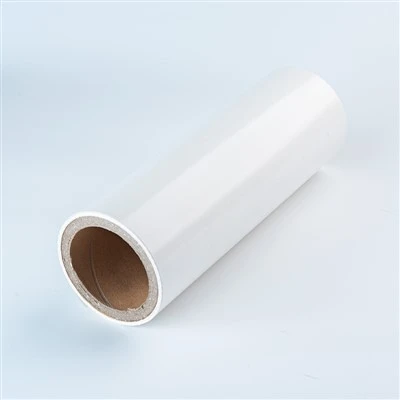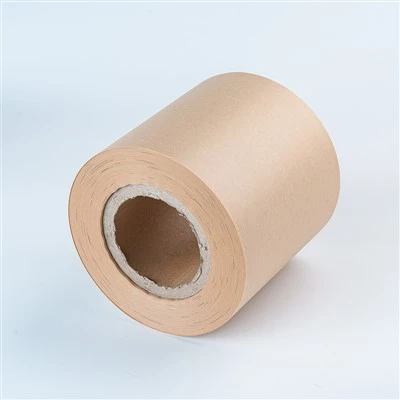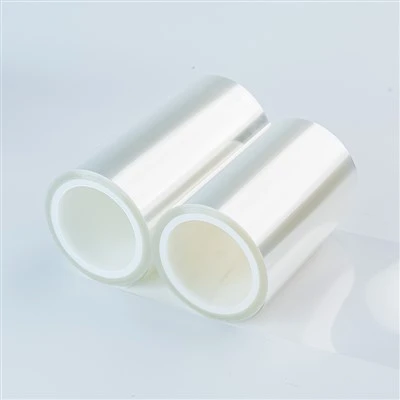

When you peel off the backing from a new sticker or a bandage, you probably don't give that piece of paper or plastic a second thought. That unassuming layer, however, is a marvel of engineering known as a release liner , or often, a release film. Far from being just "packaging," it plays a critical role in enabling the functionality of countless products we use every day.
In simple terms, a release liner is a carrier sheet coated on one or both sides with a non-sticky substance (like silicone). Its primary job is to protect and carry a pressure-sensitive adhesive (PSA) until the precise moment it's needed. Think of it as a reliable guardian for sticky surfaces.
Let's break down its core purposes into three key functions.
1. Protection: The Guardian Shield
The most immediate job of a release liner is to act as a protective barrier. The adhesive surface it covers is often delicate and easily contaminated. Without this shield, the adhesive would be exposed to:
Dust and Dirt: Even tiny particles can ruin the stickiness of an adhesive.
Moisture and Oils: These can break down the adhesive's chemical structure.
Scratches and Damage: Physical contact can mar the adhesive layer, making it uneven.
By covering the adhesive, the release film ensures that the tape, label, or medical device is in perfect, "factory-fresh" condition when it reaches the end-user.
2. Control: The Enabler of Precision
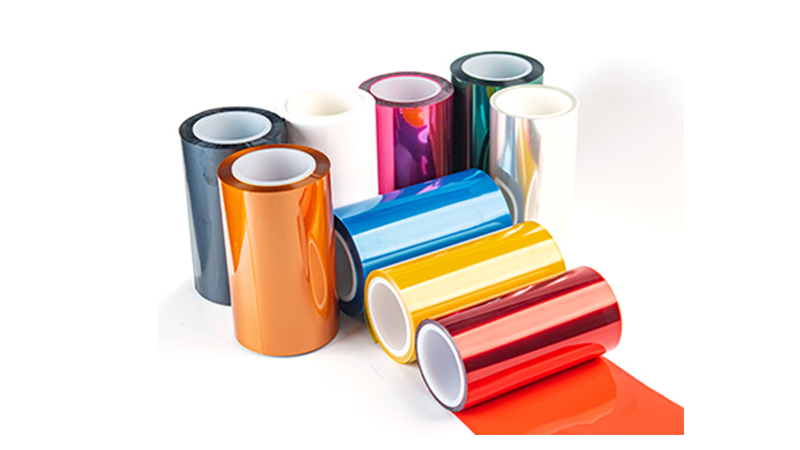
A release liner does more than just protect; it provides control. This is achieved through a property called "release force" – the amount of effort required to peel the liner away from the adhesive.
Easy Release: For applications like a simple sticker, the liner should peel off effortlessly.
Controlled Release: For automated industrial processes or complex medical drapes, the release film must peel away at a consistent, predictable force to ensure proper placement and prevent jams in machinery.
Manufacturers can engineer release liners with specific release forces (light, medium, or heavy) to match the exact needs of the product and the application process.
3. Carrier and Support: The Stable Foundation
In many manufacturing processes, the adhesive product needs to be strong yet thin and flexible. A release liner provides the necessary mechanical support to allow these materials to be wound into rolls, die-cut into specific shapes, shipped, and handled without stretching, tearing, or sticking to themselves.
For instance, without the sturdy backing of a release film , the ultra-thin double-sided tape in your smartphone would be impossible to manufacture and apply with precision.
Common Applications of Release Liners and Films
You interact with release liners more often than you think:
Labels and Stickers: The backing on every price tag, shipping label, or product sticker.
Medical Products: The backing on adhesive bandages, wound care dressings, transdermal drug patches, and surgical drapes. Here, sterility and reliability are paramount.
Industrial Tapes: The backing on double-sided tapes, foam tapes, and protective films.
Graphic Arts: The backing on vinyl for decals and signage.
Conclusion:
While it's designed to be thrown away, the purpose of a release liner is indispensable. It is the silent partner that guarantees performance, enables automation, and ensures reliability. From a simple bandage to a complex electronic device, the humble release film works behind the scenes to deliver the "stick" exactly when and where it's needed. It is a foundational component, proving that even the simplest-seeming parts can have a profoundly important purpose.