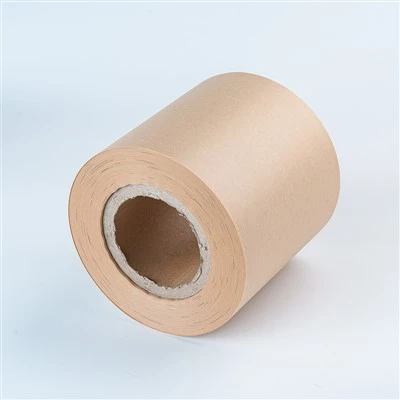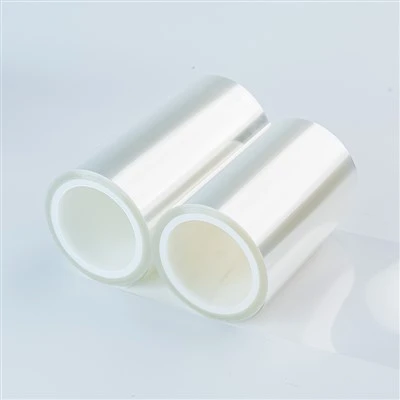

Single-Sided vs Double-Sided Release Liner
Article Content
Single-Sided Release
A single-sided construction is appropriate when only one face contacts the adhesive. The reverse side can be optimized for printing, handling, antistatic treatment or another required function.
Double-Sided Release
Both surfaces carry functional release coatings. This is useful where the web may contact adhesive on both sides, where a transfer construction is wound on itself, or where process design requires release from either face.
Differential Release
Differential release means the two sides are engineered to peel at different force levels. This can control which side opens first during converting or assembly.
Why Side Identification Matters
For differential products, the light and tight sides must be clearly identified in specifications, labels and converting instructions. Mixing the sides can cause process failure even when both coatings are within specification.
Substrate Options
Double-sided and differential constructions can be produced on suitable paper or film substrates depending on stiffness, surface, temperature, dimensional and cleanliness requirements.
Validation
Test both sides separately with the actual adhesive and clearly record side designation, peel direction, method and target range.
FAQ
Q: Is double-sided silicone the same as differential release?
A: No. Double-sided only means both faces have release functionality. Differential release specifically means the two sides have different release levels.
Q: Why use differential release?
A: It creates a controlled peel sequence during converting or assembly.
Q: Can glassine and PET both be double-sided?
A: Yes, suitable paper and film substrates can be designed with two functional release surfaces.
Technical Note
Release-liner performance is application-specific. Values and material choices should be confirmed using an agreed test method and, where possible, the customer's actual adhesive and converting conditions.