
Why Release Force Changes During Storage
Article Content
Main Mechanisms
Adhesive wet-out, molecular migration, temperature, time and roll pressure can change interfacial contact. The effect can be small or significant depending on the adhesive and release coating.
Temperature and Humidity
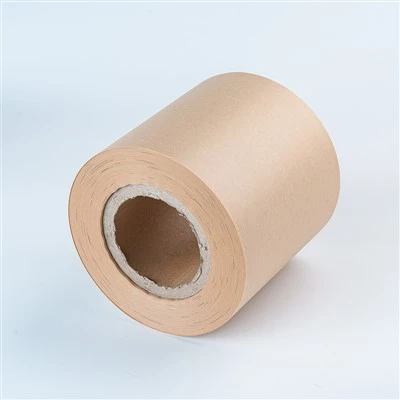
Elevated temperature can accelerate adhesive flow and interfacial changes. Paper substrates can also respond to humidity, affecting curl, dimensions and converting behavior even when the release coating itself is stable.
Winding Pressure and Contact Time
Tightly wound constructions experience sustained pressure, which can increase adhesive contact with the release surface. Longer dwell provides more time for the interface to equilibrate.
Why Test Method Consistency Matters
If storage conditions change at the same time as test tape, dwell or peel speed, it becomes difficult to distinguish true aging from method variation.
How to Control Risk
Define storage temperature and humidity where relevant, use consistent packaging, record production and test dates, evaluate aged release, and validate the finished laminate under realistic transport and storage conditions.
FAQ
Q: Is release-force drift always a liner defect?
A: No. Adhesive formulation, storage, winding pressure and test method can also contribute.
Q: Can export shipping affect release?
A: Long transit and temperature exposure can change adhesive-liner interaction, so export projects may benefit from aging validation.
Q: What data should be recorded?
A: Lot number, lamination date, storage condition, test date, test method and initial/aged results are useful for troubleshooting.
Technical Note
Release-liner performance is application-specific. Values and material choices should be confirmed using an agreed test method and, where possible, the customer's actual adhesive and converting conditions.